Irregular ovulation is one of several factors that can make pregnancy difficult. When the ovaries do not release an egg regularly, identifying the underlying cause is an important part of fertility assessment.
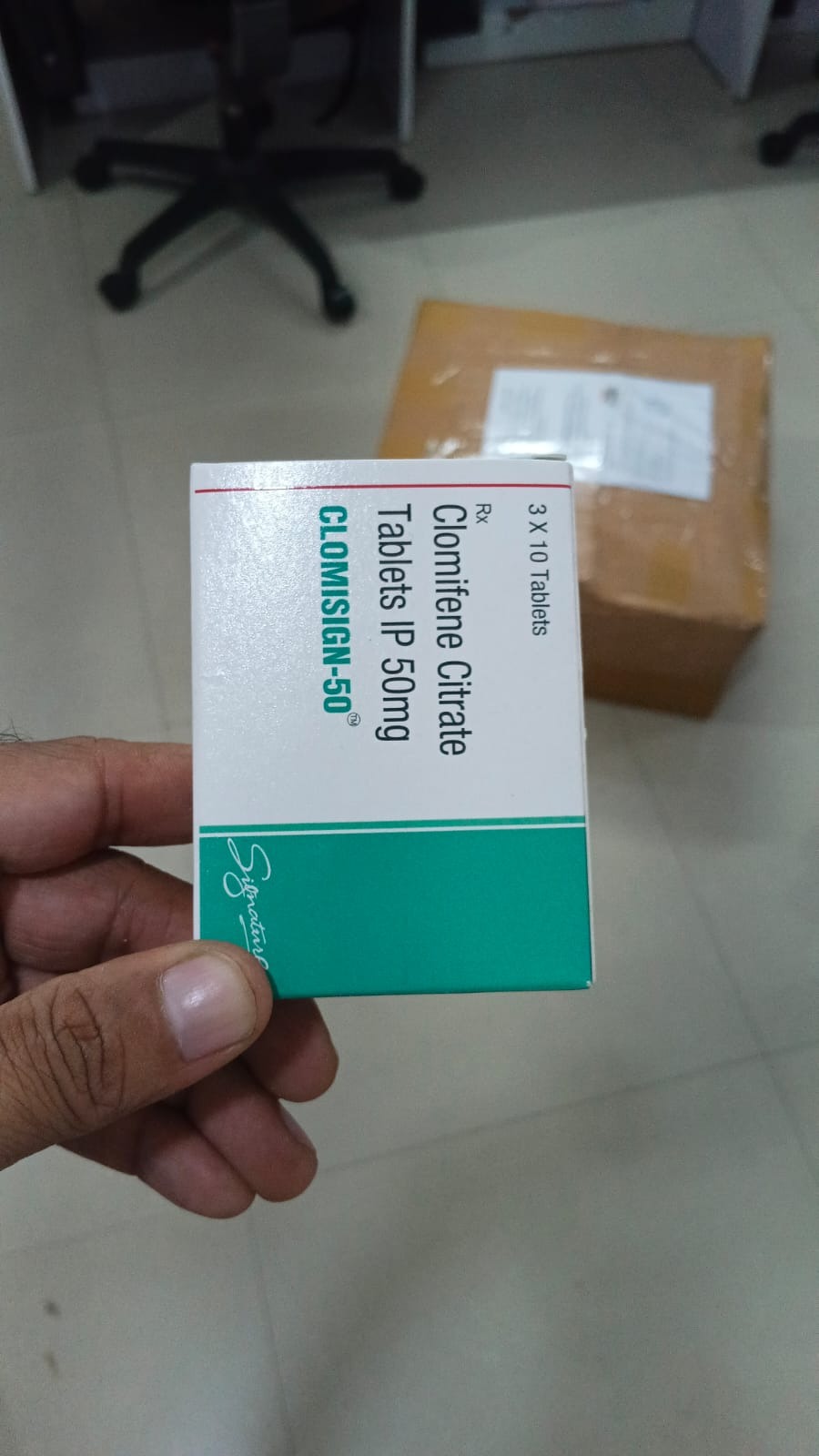
Clomifene, also known as clomiphene citrate and associated with products such as Clomisign-50, is a prescription medicine used to stimulate ovulation in selected patients.
Understanding how it works can help individuals and couples in Thailand approach fertility treatment with realistic expectations.
What Is Clomifene?
Clomifene belongs to a group of medicines called selective oestrogen receptor modulators.
It acts primarily by influencing oestrogen feedback signals involved in reproductive hormone regulation.
This can encourage the release of hormones that stimulate ovarian follicle development and ovulation.
The medicine is generally considered for women experiencing particular types of ovulatory dysfunction.
It does not address every cause of infertility.
How Clomifene Supports Ovulation
The reproductive system depends on communication between the hypothalamus, pituitary gland and ovaries.
When Clomifene modifies oestrogen feedback, the pituitary gland may increase the release of follicle-stimulating hormone and luteinising hormone.
These hormones support follicle development and the release of an egg.
Successful ovulation, however, does not guarantee pregnancy.
Other factors, including sperm quality, fallopian tube health and uterine conditions, also influence fertility outcomes.
Who May Be Considered for Treatment?
Clomifene may be considered for certain patients with irregular or absent ovulation.
Historically, it has been used in women with polycystic ovary syndrome, although letrozole is generally preferred as first-line ovulation induction treatment for many women with PCOS under current international guidance.
A fertility assessment may include hormone testing, ultrasound examination and evaluation of other potential causes of infertility.
Treatment decisions depend on the patient's diagnosis, medical history and reproductive goals.
Possible Side Effects
Commonly reported effects include hot flushes, headaches, abdominal discomfort, nausea and mood changes.
Some patients experience temporary visual disturbances.
Clomifene can also increase the likelihood of multiple pregnancy, particularly twins.
Ovarian enlargement and ovarian hyperstimulation are additional concerns, although severe ovarian hyperstimulation is uncommon with Clomifene alone.
Persistent visual symptoms or significant abdominal pain require prompt medical evaluation.
Why Monitoring Is Important
A fertility specialist may use ultrasound examinations or hormone measurements to assess ovarian response.
Monitoring helps identify excessive follicular development and evaluate whether the treatment is achieving its intended effect.
Repeated treatment without reassessment may delay identification of other fertility problems.
Fertility Treatment Considerations in Thailand
Thailand has an established fertility-care sector, including reproductive medicine clinics and hospitals offering diagnostic and assisted reproductive services.
Patients considering ovulation induction should understand that medicine selection is only one part of a broader fertility plan.
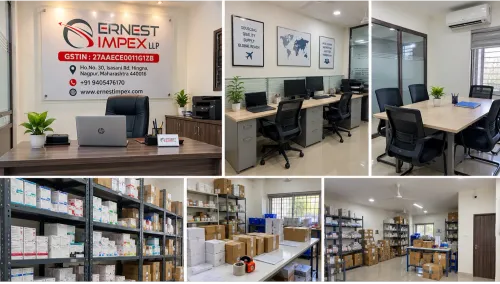
Pharmaceutical suppliers such as ERNEST IMPEX operate within a sector where reliable product identification, storage information and appropriate regulatory documentation are important.
Setting Realistic Expectations
Clomifene can support ovulation in appropriately selected patients, but it cannot overcome every reproductive difficulty.
An individualised treatment approach, careful monitoring and evaluation of both partners can help ensure that fertility decisions are based on the actual causes of difficulty conceiving.