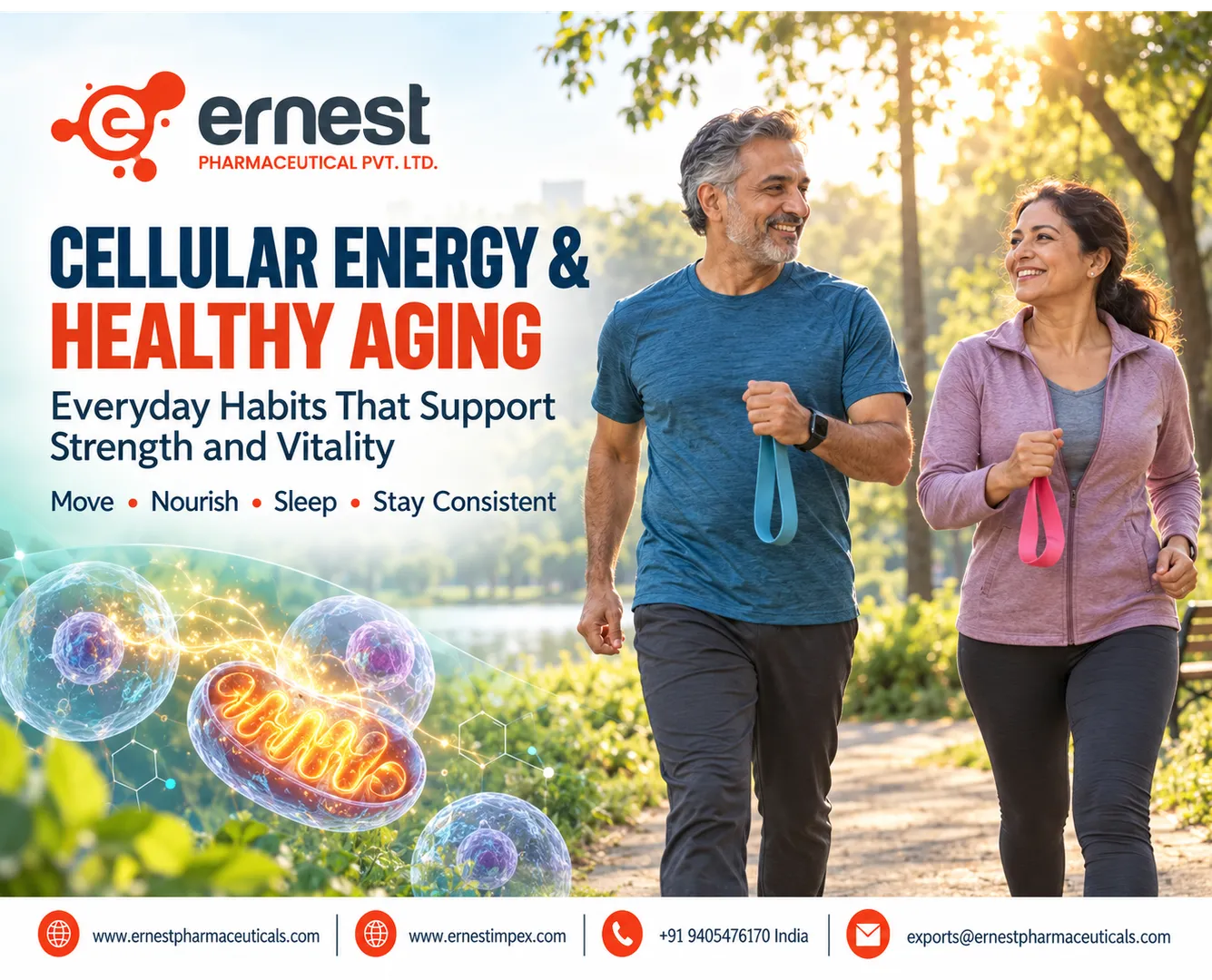
Cellular energy and healthy aging
Cellular Energy and Healthy Aging: Can a “Tiny Spark” Restore Youth?
Promises to “switch on” cellular energy, reverse ageing or reactivate youthful function are common in supplement advertising. These messages are appealing because tiredness, reduced exercise capacity and slower recovery frequently become more noticeable with age.
Cellular energy is real biology, but it cannot be explained by a mysterious spark or a single anti-ageing product. It involves mitochondria, nutrient metabolism, oxygen delivery, hormones, sleep, physical activity and overall health.
Understanding these processes can help separate useful health habits from exaggerated claims.
What Is Cellular Energy?
Cells require energy to maintain tissues, repair damage, transmit signals and perform specialised functions. Much of this usable energy is produced by structures called mitochondria.
Mitochondria convert energy obtained from food into adenosine triphosphate, commonly called ATP. ATP supplies energy for cellular processes throughout the body. Mitochondria also participate in cell signalling, metabolism and other essential functions.
Organs with substantial energy requirements—including the brain, heart and skeletal muscles—depend heavily on normal mitochondrial function.
What Changes With Age?
Ageing involves interconnected biological changes rather than one isolated failure. Mitochondrial function and quality control may become less efficient over time. Researchers are investigating how these changes relate to inflammation, metabolic health, muscle function and neurodegenerative diseases.
This does not mean that every case of fatigue is caused by “damaged mitochondria.” Fatigue can also result from:
- Insufficient or disrupted sleep
- Anaemia
- Thyroid disorders
- Diabetes
- Infection
- Depression or anxiety
- Nutritional deficiency
- Medication side effects
- Heart or lung conditions
- Physical inactivity
Persistent or unexplained fatigue should therefore be medically evaluated rather than self-treated with products advertised as cellular-energy boosters.
Can a Supplement Reverse Cellular Ageing?
No supplement has been proven to reverse human ageing. Laboratory findings involving cells or animals do not automatically demonstrate the same benefit in humans.
Ingredients marketed for mitochondrial or anti-ageing support may include coenzyme Q10, nicotinamide compounds, alpha-lipoic acid, magnesium, carnitine, resveratrol and various antioxidants. Each substance has different evidence, indications, dosages and safety considerations.
A product should not be assumed effective merely because it influences a biological pathway in a laboratory. Clinical benefit must be demonstrated through appropriate human studies.
Habits That Support Healthy Ageing
While no routine can stop biological ageing, several ordinary habits help preserve physical and mental capacity.
Engage in regular physical activity
Movement creates a physiological demand that encourages the body to adapt. Aerobic activity supports cardiovascular fitness, while resistance training helps maintain muscle mass, strength and functional independence.
WHO recommends that adults complete at least 150 minutes of moderate-intensity activity per week or 75 minutes of vigorous activity, with muscle-strengthening exercise on at least two days. The appropriate level depends on a person’s health and ability.
Eat a varied, nutrient-dense diet
Cells need adequate energy, protein, vitamins and minerals. Healthy dietary patterns emphasise vegetables, fruits, legumes, whole grains, nuts, seeds and suitable protein sources.
Extreme restriction or relying on supplements while neglecting food quality is unlikely to support long-term health.
Protect sleep
Sleep supports recovery, cognition, hormonal regulation and metabolic health. Persistent insomnia, excessive daytime sleepiness, loud snoring or breathing pauses should be discussed with a healthcare professional.
Maintain muscle
Muscle supports mobility, glucose regulation and independence. Strength training, adequate protein and regular daily movement become increasingly valuable with age.
Avoid tobacco and limit alcohol exposure
Tobacco damages multiple organs and increases the risk of cancer, cardiovascular disease and respiratory illness. Alcohol also carries health risks, including an increased risk of several cancers.
Manage existing medical conditions
Controlling blood pressure, diabetes, cholesterol and other chronic conditions helps protect organs that depend on a stable supply of oxygen and nutrients.
WHO identifies balanced nutrition, physical activity and avoidance of tobacco as important behaviours for maintaining capacity and reducing the risk of noncommunicable diseases during ageing.
Mitochondria and Brain Health
Research has identified associations between lower mitochondrial function and certain age-related neurological changes. For example, NIA-supported research has linked lower mitochondrial function in skeletal muscle with an increased risk of mild cognitive impairment or dementia.
This is an important area of research, but an association does not prove that a commercial mitochondrial supplement will prevent dementia.
Signs That Require Medical Evaluation
Consult a healthcare professional if low energy is persistent or accompanied by:
- Unexplained weight change
- Shortness of breath
- Chest discomfort
- Muscle weakness
- Irregular heartbeat
- Significant changes in mood
- Persistent pain
- Memory or concentration changes
- Excessive thirst or urination
Testing may be required to identify anaemia, thyroid disease, vitamin deficiency, diabetes or other medical causes.
Frequently Asked Questions
Are mitochondria really the powerhouses of cells?
Yes. They produce most of the ATP used to power cellular processes, although they also perform other important functions.
Can mitochondrial ageing be stopped?
No proven method stops mitochondrial or biological ageing completely.
Does exercise support cellular energy?
Regular exercise improves cardiovascular and muscular function and influences cellular adaptation, but benefits depend on consistency and individual health.
Are antioxidant supplements necessary?
Not automatically. High-dose antioxidants can carry risks and may interact with medicines or treatments.
What is the most reliable healthy-ageing strategy?
Regular activity, strength training, nutritious food, consistent sleep, preventive healthcare and management of existing conditions provide a stronger foundation than unproven anti-ageing products.
Global Healthy-Aging Healthcare Supply
Ernest Pharmaceutical Pvt. Ltd. supports B2B pharmaceutical requirements for licensed distributors, registered importers, hospitals, pharmacies, wholesalers and healthcare businesses across the USA, UK, Russia, Australia, Brazil, Indonesia, the Philippines, South Africa and Europe.
Support includes pharmaceutical sourcing, nutritional-product enquiries, bulk supply, documentation and international distribution coordination. All products remain subject to applicable regulatory and import requirements.
Send Your Medicine Requirement Today
Contact Ernest Pharmaceutical Pvt. Ltd. for pharmaceutical and nutritional-support product requirements.
Disclaimer: This article provides general educational information and does not diagnose, treat, cure or prevent disease. Consult a qualified healthcare professional before using supplements or beginning a new exercise programme.
Keywords